
There’s something truly exhilarating about the vibrant flavors of Thai cuisine, and my journey into the world of spicy dishes led me to the incredible Crying Tiger Beef. This grill-ready masterpiece showcases tender beef, bursting with charred goodness, paired with a zesty dipping sauce that will awaken your taste buds. As the enticing aromas fill your kitchen, you’ll be transported to a bustling Thai market, even if you’re just at home after a long day.
I first tried this dish during a dinner party, and with each savory bite, I was amazed by its bold combination of flavors. Ready in under 30 minutes, this high-protein, low-carb delight is perfect for impressing guests or simply enjoying a special weeknight dinner. Whether served alongside sticky rice and crisp vegetables or shared amongst friends at a gathering, Crying Tiger Beef is not just a meal; it’s an experience that brings people together. Let’s dive into the cooking process and get ready to make your new favorite dish!
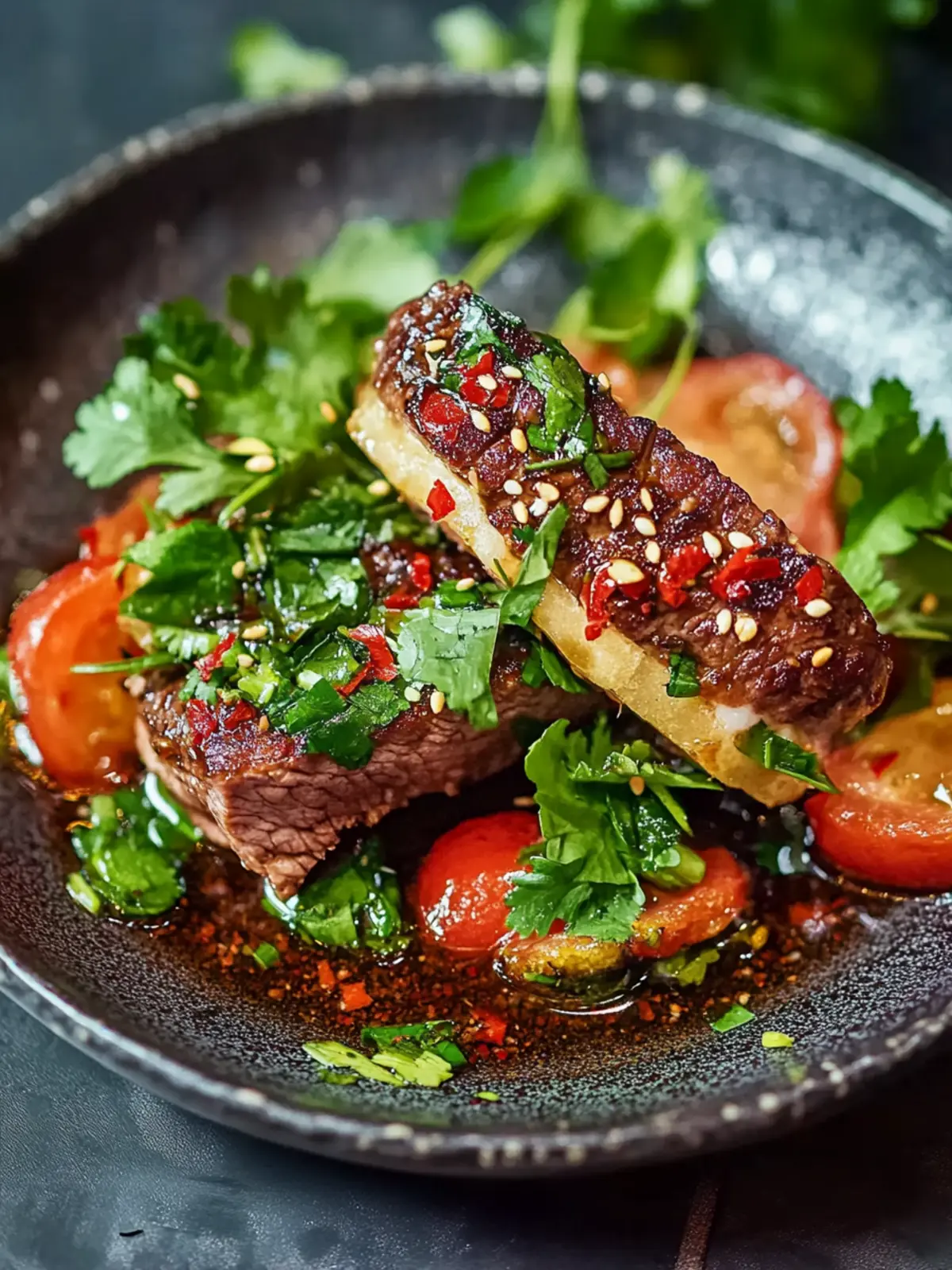
Why is Crying Tiger Beef a must-try?
Bold flavors burst with each bite, showcasing the uniqueness of Thai cuisine.
Quick preparation makes this dish ideal for weeknight dinners, ready in under 30 minutes.
High-protein and low-carb ensures it’s not only delicious but also fits your dietary needs.
Crowd-pleaser at any gathering, it’s sure to impress friends and family alike.
And don’t forget the zesty dipping sauce—it adds a mouthwatering kick that makes every bite memorable! For a complete meal, consider pairing it with sticky rice or a fresh vegetable salad for a balance of flavors and textures.
Crying Tiger Beef Ingredients
For the Beef
• Beef (Sirloin or Ribeye) – Juiciness and flavor; flank steak can be used for a leaner option.
For the Dipping Sauce
• Fish Sauce – Adds depth of flavor; substitute with soy sauce for a vegetarian variant, but taste may differ.
• Lime Juice – Provides a fresh, tangy lift; fresh lime is preferred over lemon juice for its unique flavor.
• Sugar (Palm Sugar) – Balances flavors in the sauce; ensure it dissolves completely for the best taste.
• Minced Garlic – Enhances the sauce’s flavor profile; fresh garlic brings a robust taste.
• Chopped Chilies – Adjust according to your spice preference; these are key to achieving that signature heat.
• Cilantro – Adds freshness and a burst of color; feel free to use other herbs if you prefer.
• Green Onions – Contributes a mild onion flavor; optional but enhances texture and taste.
• Toasted Rice Powder – Adds a nutty texture; can be substituted with toasted sesame seeds if sticky rice is unavailable.
For Grilling
• Vegetable Oil – Prevents sticking during grilling; using high-smoke point oil is best for this.
Prepare to be delighted by your homemade Crying Tiger Beef—it’s an exciting adventure in flavor that you won’t want to miss!
How to Make Crying Tiger Beef
-
Prepare the Beef: Trim any excess fat from the steak and pat it dry with paper towels. Brush both sides lightly with vegetable oil; this helps achieve a lovely char on the grill.
-
Toast the Rice Powder (if using): In a dry pan, toast the sticky rice until golden brown, which should take about 5 minutes on low heat. Once toasted, grind it into a coarse powder to enhance the dipping sauce’s texture.
-
Preheat the Grill: Set your grill to high heat, around 450°F. Grill the prepared steak for approximately 3-4 minutes on each side for medium-rare, achieving a perfect sear. Let the beef rest for 5 minutes afterwards to retain those delicious juices.
-
Mix the Dipping Sauce: In a bowl, combine soy sauce, fish sauce, lime juice, palm sugar, minced garlic, chopped chilies, cilantro, green onions, and the optional toasted rice powder. Stir until the sugar is completely dissolved to ensure a smooth, flavorful sauce.
-
Slice and Serve: After resting, slice the beef against the grain into thin strips. Serve it on a plate drizzled with the zesty sauce or place the sauce in a bowl for dipping. Garnish with extra chopped cilantro and sesame seeds for an added touch of flair.
Optional: Serve with a side of fresh cucumber salad to cool off the heat.
Exact quantities are listed in the recipe card below.
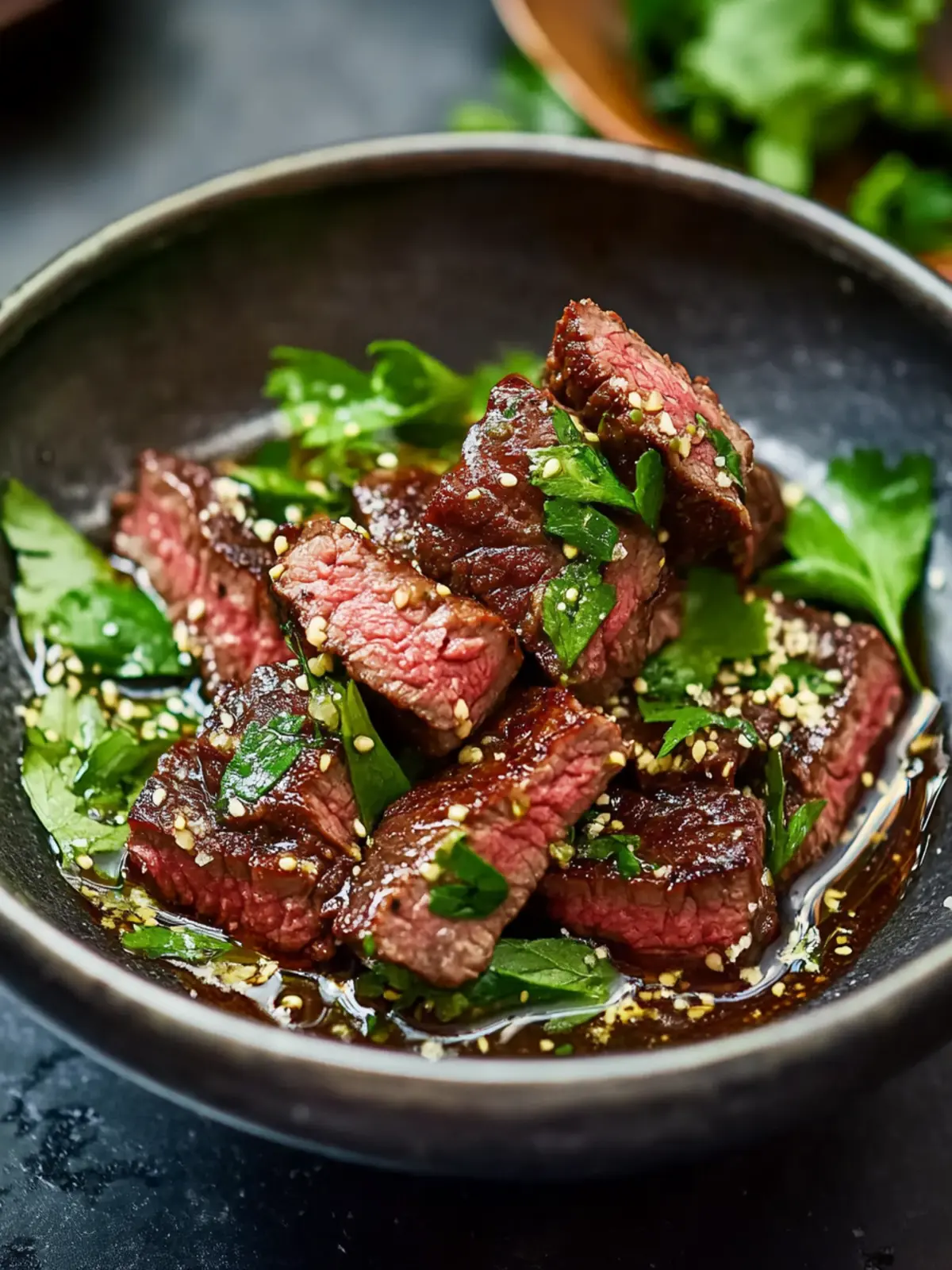
Expert Tips for Crying Tiger Beef
-
Choose Quality Meat: Select fresh, high-quality beef to ensure tender and juicy results; the better the meat, the more flavorful your Crying Tiger Beef will be.
-
Hot Grill Necessary: Make sure your grill is preheated properly. A hot grill will guarantee a good sear, which helps to lock in moisture and enhance flavors.
-
Rest Your Steak: Allowing the meat to rest for at least 5 minutes post-grilling is essential; this step retains juices, ensuring every bite is succulent and full of flavor.
-
Adjust Spice Levels: Feel free to modify the number of chopped chilies in the dipping sauce based on your spice tolerance to create a perfect balance that suits your palate.
-
Don’t Skip the Powder: While optional, toasting and grinding the rice powder adds a unique texture to the dipping sauce; if unavailable, use toasted sesame seeds as a tasty alternative.
What to Serve with Crying Tiger Beef?
Crying Tiger Beef is the star of any meal, and it’s easy to craft an unforgettable dining experience around it.
-
Sticky Rice: The chewy texture of sticky rice complements the spicy beef wonderfully, helping to balance the vibrant flavors. It soaks up the delicious dipping sauce, making every bite a joy.
-
Fresh Cucumber Salad: A refreshing cucumber salad provides a crisp, light contrast to the rich flavors of the beef, while its acidity cuts through the spice beautifully.
-
Grilled Vegetables: Grilled zucchini, bell peppers, and asparagus add a charred flavor that marries perfectly with the smokiness of the beef. Their natural sweetness balances the heat for a harmonious plate.
-
Thai Basil Salad: A simple salad featuring fresh herbs and a tangy dressing adds brightness and complexity, enhancing the overall dining experience. The herbs also bring an aromatic lift that elevates the meal.
-
Mango Sticky Rice: For dessert, mango sticky rice is a delightful finish. The sweetness of the mango and the creamy coconut sticky rice provide a delicious contrast to the spicy main dish.
-
Cold Thai Beer: Pair your meal with a chilled Thai lager, such as Singha or Chang, which complements the dish’s spiciness while refreshing your palate.
Whichever sides you choose, your Crying Tiger Beef will shine even brighter!
How to Store and Freeze Crying Tiger Beef
- Room Temperature: For best flavor, serve Crying Tiger Beef immediately after grilling. If left out, it’s safe for up to 2 hours before needing refrigeration.
- Fridge: Store any leftover beef in an airtight container for up to 3 days; reheat gently in a pan to maintain its juicy texture.
- Freezer: For longer storage, freeze the sliced beef in a single layer on a baking sheet before transferring to a freezer bag. It can last for up to 2 months.
- Reheating: Thaw frozen Crying Tiger Beef overnight in the fridge and reheat on low heat, adding a splash of water or broth to keep it moist.
Make Ahead Options
Crying Tiger Beef is perfect for busy home cooks looking to save time without compromising flavor! You can marinate the beef up to 24 hours in advance, which allows the spices to penetrate deeper, ultimately enhancing its taste and tenderness. The dipping sauce can also be prepared up to 3 days ahead; simply store it in an airtight container in the refrigerator to maintain its freshness. When you’re ready to grill, just take the beef out of the fridge, allow it to come to room temperature for about 30 minutes, then cook and serve as directed. This way, you’ll have a meal that’s just as delicious and vibrant, ready to impress with minimal effort!
Crying Tiger Beef Variations
Embrace your culinary creativity and make this dish your own with these exciting twists!
-
Flank Steak: Swap sirloin or ribeye for flank steak for a leaner and equally flavorful cut. It’s a great option that elevates the flavors beautifully.
-
Vegetarian Version: Use grilled tofu or tempeh in place of beef for a vegetarian delight. Marinate them in the same flavors to capture the essence of the dish.
-
Lime Zing: If fresh lime is unavailable, lemon juice works in a pinch. The flavor will be different, but still refreshing and bright.
-
Add Sweetness: For a touch of sweetness, include diced mango or pineapple in your dipping sauce. It adds a tropical twist that complements the spice.
-
Extra Crunch: Incorporate chopped nuts like peanuts or cashews into the dipping sauce for a crunchy texture. They add richness and a delightful contrast to the smooth sauce.
-
Herb Haven: Mix in fresh mint or basil with the cilantro for a burst of aromatic flavor. This will create a refreshing layer and brighten the dish even more.
-
Smoky Heat: For an intensified smoky flavor, use smoked chilies instead of fresh ones. This will add depth and a delightful heat that enhances the overall experience.
-
Coconut Creaminess: Add a splash of coconut milk to the dipping sauce for a creamy finish. It softens the heat while introducing a unique flavor profile that perfectly balances the spiciness.
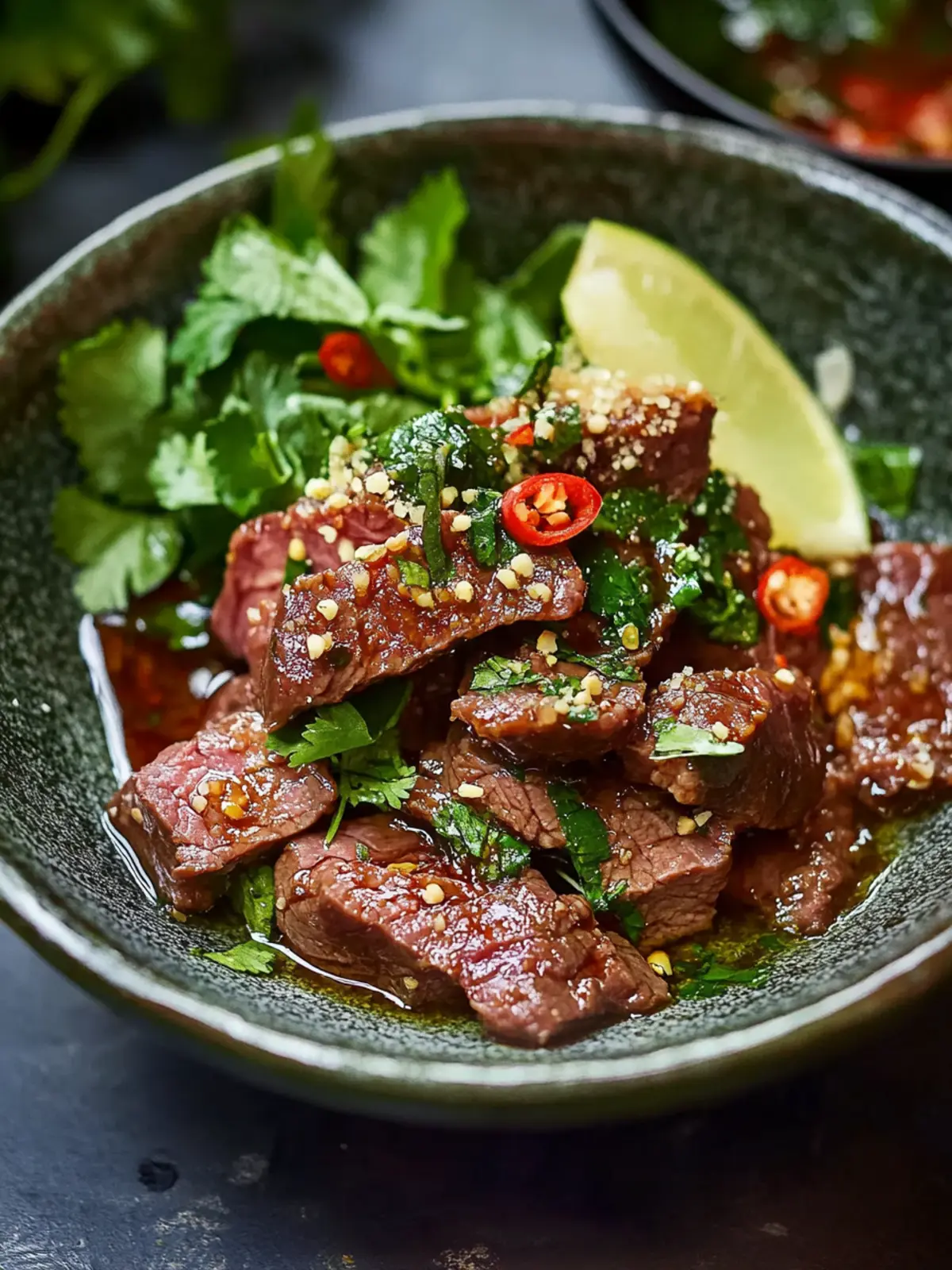
Crying Tiger Beef Recipe FAQs
What type of beef should I use for Crying Tiger Beef?
Absolutely! The best cuts for a tender and flavorful Crying Tiger Beef are sirloin or ribeye. If you prefer a leaner option, flank steak works well too. The key is to cut against the grain after grilling to ensure every bite is melt-in-your-mouth tender.
How should I store leftover Crying Tiger Beef?
After your delicious meal, you can store any leftovers in an airtight container in the fridge for up to 3 days. When you reheat, do so gently in a pan to maintain that juicy texture; nobody likes dry beef!
Can I freeze Crying Tiger Beef?
Yes, you can freeze it! First, lay the sliced beef in a single layer on a baking sheet and freeze until solid. Then, transfer to a freezer bag, removing excess air. It will last up to 2 months in the freezer. When ready to enjoy, thaw it overnight in the fridge and reheat on low heat, adding a splash of water or broth for moisture.
How do I know if my beef is properly cooked?
Very! The best way to check is by using a meat thermometer. For medium-rare, the internal temperature should be about 130-135°F. Alternatively, if you prefer a visual cue, look for a nice reddish-pink center when sliced.
Can I adjust the spiciness of the dipping sauce?
Of course! If you like it milder, reduce the number of chopped chilies or even omit them entirely. Start with one or two and taste as you mix; you can always add more if you’re feeling adventurous!
Are there any dietary considerations for Crying Tiger Beef?
Definitely! For gluten-free options, ensure you use tamari instead of regular soy sauce. If you’re considering vegetarian or vegan alternatives, substituting beef with robust vegetables like portobello mushrooms or eggplant can provide a satisfying flavor profile, though keep in mind that it will change the overall dish’s essence.

Savory Crying Tiger Beef: Your New Grilled Favorite
Ingredients
Equipment
Method
- Trim any excess fat from the steak and pat it dry with paper towels. Brush both sides lightly with vegetable oil.
- In a dry pan, toast the sticky rice until golden brown, about 5 minutes on low heat, then grind it into a coarse powder.
- Preheat the grill to high heat (about 450°F). Grill the steak for approximately 3-4 minutes on each side for medium-rare.
- In a bowl, combine fish sauce, lime juice, palm sugar, minced garlic, chopped chilies, cilantro, green onions, and toasted rice powder. Stir until the sugar is dissolved.
- After resting, slice the beef against the grain into thin strips and serve with the dipping sauce.